 United StatesJFK
 MexicoMEX
 BrazilGRU
 ArgentinaEZE
 ChileSCL
 ColombiaBOG
 PeruLIM
 PanamaPTY
 Costa RicaSJO
 Dominican RepublicPUJ
 JamaicaMBJ
 BahamasNAS
 BarbadosBGI
 United KingdomLHR
 IrelandDUB
 FranceCDG
 GermanyFRA
 NetherlandsAMS
 BelgiumBRU
 SwitzerlandZRH
 AustriaVIE
 ItalyFCO
 SpainMAD
 PortugalLIS
 GreeceATH
 TurkeyIST
 DenmarkCPH
 SwedenARN
 NorwayOSL
 FinlandHEL
 PolandWAW
 Czech RepublicPRG
 HungaryBUD
 IcelandKEF
 United Arab EmiratesDXB
 QatarDOH
 Saudi ArabiaRUH
 IsraelTLV
 EgyptCAI
 MoroccoCMN
 South AfricaJNB
 KenyaNBO
 NigeriaLOS
 IndiaDEL
 PakistanLHE
 Sri LankaCMB
 SingaporeSIN
 MalaysiaKUL
 ThailandBKK
 VietnamSGN
 PhilippinesMNL
 IndonesiaCGK
 Hong KongHKG
 ChinaPVG
 TaiwanTPE
 JapanHND
 South KoreaICN
 AustraliaSYD
 New ZealandAKL
A corporate meeting at a major hotel or resort is a transport problem with a hospitality layer on top. Fifty or two hundred people have to reach the property from airports in several cities, move between rooms, restaurants and activities during the stay and leave again, usually on the same afternoon. How well that works depends less on the quality of the hotel than on the match between the venue and the transport plan.
This guide is written for meeting planners and executive assistants. It sorts venues by type, explains what each type tends to require and shows how Onroutz.ca, a Toronto-based private-transfer desk, fits into the plan.
What is conference hotel transportation?
Conference hotel transportation is the ground travel that links a meeting venue to the outside world and to itself: airport arrivals, transfers to the property, executive cars during the stay, offsite excursions and departures. Onroutz.ca books these legs together, so a planner holds one confirmation for the whole group, with flight tracking and a 24/7 desk.
The label matters because different parts of the trip belong to different suppliers. The hotel often runs its own shuttle on the property and may offer an airport service. The airline or the organiser may offer a coach. Private transfer sits alongside those, and its value is in the gaps: executives who arrive early or late, delegations who travel together, and every movement the property does not cover.
Five venue types, five transport plans
| Venue type | Typical challenge | What to plan |
|---|---|---|
| Urban conference hotel | Many arrivals from one airport, tight city traffic | Arrival waves, a name-board desk at the hotel, executive cars for the programme |
| Airport-adjacent hotel | Short ride, but flights are the risk | Flight-tracked pickups, late-arrival cover, early departures |
| Beach or island resort | Long drive after a late flight, remote location | Timed group transfers, a wait at arrivals, return runs matched to flights |
| Mountain or lodge resort | Seasonal roads, long drives from the airport | Winter margins, larger vehicles for equipment, a flexible schedule |
| Golf or countryside resort | No public transport, spread-out grounds | Hourly cars for executives, minibuses for excursions |
Most meeting venues combine two of these. A downtown hotel in a city with an airport rail link behaves like an urban property for local delegates and like an airport hotel for guests catching an early flight.
Urban conference hotels
Big city conference hotels are the most common meeting venue, and the least dramatic from a transport view. Guests arrive by air, take a car or train to the hotel and walk between meeting rooms inside the building. The risk is volume: dozens of guests landing in the same afternoon, all asking the concierge for a car.
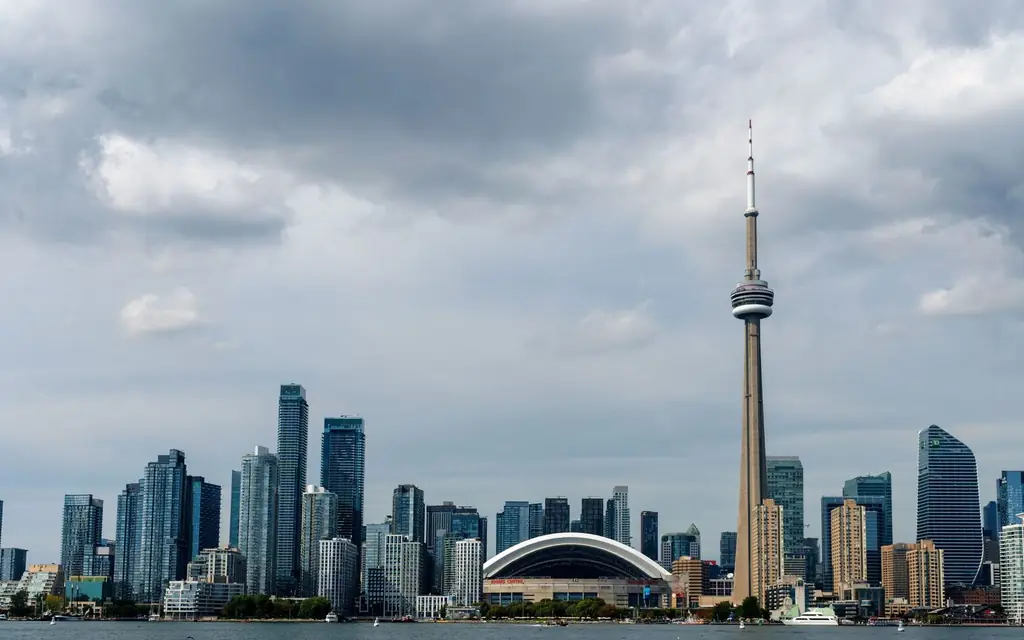
Toronto's Fairmont Royal York, at 100 Front Street West, is an example of the scale. The hotel advertises over 70,000 square feet of meeting space across 36 venues and room for up to 1,670 guests on its meetings page. For a property of that kind, a planner often combines three methods. Delegates who like trains use the UP Express, whose fares page lists $12.35 one way between Pearson and Union Station. Executives and speakers take a booked car. A group arriving on the same flight takes a Sprinter. The Pearson to Union Station route and the downtown Toronto hotel transfers page explain how those choices work in practice.
The Metro Toronto Convention Centre, at the other end of the scale, is a venue with no beds, so delegates stay in hotels across the downtown. Its website says it is 25 minutes to the airport and has direct air-rail and transit links, which suits a mixed plan. See the convention centre page for more.
Airport-adjacent hotels
Hotels near an airport serve meetings that want convenience over scenery: sales conferences, regional training sessions, board meetings. The ride from the terminal is short, so the risk is not the drive but the wait. A shuttle that runs every half-hour is fine until a delayed flight lands between runs.
For a planner, the lever is flight tracking. A private pickup tied to the real landing time costs the traveller nothing in waiting, and the driver adjusts if the flight is late. Early departures benefit too, since a pre-booked car at 5 am does not depend on a shuttle schedule that starts at 6.
Beach and island resorts
Resort meetings in the Caribbean and Mexico are the venues where transfers cause the most anxiety. Flights land in the afternoon, immigration is slow, the road to the property is long and the first night sets the tone. A planner should treat the arrival transfer as part of the programme.
The Atlantis resort in the Bahamas is a case where the resort itself describes the service. Its meetings arrival services page refers to airport arrivals, resort transfers, conferences and gala receptions, and to coordinating transportation for anything from a small executive team to a large event. Whatever the resort offers, a planner who needs a private option for executives, late arrivals or an independent schedule can use the pages on Nassau, Cancun, Punta Cana, Los Cabos, Aruba and the resort transfers hub.
In those countries, a vetted, licensed and commercially insured local transfer partner drives, and the Onroutz.ca desk in Toronto books, confirms, supports and invoices the ride. Onroutz.ca does not own cars or offices abroad.
Mountain and lodge resorts
Mountain meetings add weather to the equation. A winter transfer from Calgary to Banff or from Vancouver to Whistler takes longer on a snowy day, and a schedule that works in July breaks in January. The route pages, Calgary airport to Banff and Vancouver airport to Whistler, give typical drive times with peak and weather caveats where they apply.
Plan three extra things for mountain venues. First, build buffer into arrival and departure days, since a delay at the airport or on the highway pushes everything back. Second, ask whether delegates will carry ski or golf equipment, which needs more luggage space than a standard transfer. Third, keep a second vehicle in reserve for the arrival peak.
Golf and countryside resorts
At a golf or countryside resort, nothing is near anything else. The airport is an hour or more away, the nearest restaurant is a drive and the grounds are spread over a wide area. The transport plan is therefore mostly local: hourly cars for senior executives, a minibus for the afternoon activity, a coach for the offsite dinner.
An hourly booking works well here because the car stays at the property and the chauffeur is available whenever the group needs to move. See the executive car service page for the concept.
Group arrivals: how to do them well
Whatever the venue, the arrival day follows the same logic.
- Collect flight data early. A spreadsheet of names, flights and landing times is the planner's best tool.
- Group by time, not by department. People who land within an hour of each other can share a vehicle, whatever they do for a living.
- Choose the right vehicle for the wave. A Sprinter takes up to 12 passengers and 12 bags. A Luxury SUV takes up to six. Sedans take up to three. On request, the desk adds mini-coaches and coaches of 20 to 56 seats.
- Put a name on the pickup. A chauffeur with a name board inside arrivals lets delegates find the car without a search, and an alias can replace the name for privacy.
- Give each wave a contact. The driver's number and the 24/7 desk number should be in the traveller's phone before they board.
Flight tracking is standard on airport pickups, and free waiting time runs 60 minutes after international landings, 30 after domestic ones and 15 on other pickups.
Hourly cars for executives
Even at a well-run meeting, the senior people move differently. A chief executive may need to leave early for a call, a guest speaker may arrive the night before and a client may want to visit the city between sessions. An hourly car keeps a chauffeur at their disposal for a block of time, without a new booking each time.
The key to making hourly cars work is the brief. Tell the driver the programme, the timings and who has priority. Agree how to handle clashes, such as two executives needing the car at the same time. The personal driver page explains how an hourly booking runs.
Offsite days
Offsite days break the routine of a meeting and are often the part delegates remember. Typical examples are a winery visit, a day on the water, a factory tour or a dinner in a heritage building. They also create the most complicated transport: groups of 20 to 100 moving to a place with limited parking, for a fixed timeslot, and returning in the dark.
Three practices help. Visit or phone the venue to learn where vehicles can stop. Brief each driver on the programme, with timings. And keep a spare vehicle available, since a missed ferry or a late finish can strand a group. For ideas near Toronto, the Niagara Falls limousine page and the Toronto attractions by private car guide cover options that fit a half-day programme.
Entry rules for international delegates
Meetings that bring in delegates from other countries need entry planning as well. Canada's official business visitor guidance lists attending meetings, conferences and trade fairs among permitted activities, with conditions including a stay under six months and a main place of business outside Canada. Remind delegates to check their own passport requirements early, since an electronic travel authorization is needed for many nationalities flying to Canada.
Departure day
Departure day is the opposite of arrival: everyone leaves at once, and flights fix the schedule. Work backward from the flights. Allow for check-out, bag collection and the drive, and add a margin that reflects the airport's size and the time of day.
Stagger departures if the property has limited loading space. A hotel forecourt that works for five cars an hour cannot handle forty people leaving in twenty minutes. Spread the pickups across time slots, assign each wave a driver and give delegates a card with their slot.
Where this fits on the site
This guide connects to the wider event and hotel pages: corporate event transportation, hotel transfers, the events hub and the guides hub. For regional detail, use the Toronto, Canada and Caribbean and Mexico pages. Planners who want a conversation can reach the travel desk.
Frequently asked questions
How do I arrange transportation for a corporate meeting at a resort?
Collect flight details, group arrivals by landing time, choose vehicle sizes and book the airport legs, hourly cars and offsite runs on one itinerary. Onroutz.ca returns one confirmation with fixed fares and a 24/7 desk. Ask the resort what it provides first, and book private cars for the gaps.
Do I need private cars if the hotel has a shuttle?
Not always. A property shuttle suits individuals with flexible plans. Private cars add value for executives, late arrivals, early departures, groups travelling together and any movement the shuttle does not cover. Many planners use the shuttle as the baseline and add private cars where timing or privacy matters.
How do I handle groups arriving on different flights?
Cluster arrivals into waves of 45 to 60 minutes and assign a vehicle to each. Flight tracking adjusts each pickup to the real landing time, with 60 minutes of free waiting after international arrivals and 30 after domestic ones. A name-board meet and greet helps delegates find the car.
Can you provide hourly cars during the meeting?
Yes. An hourly booking keeps a chauffeur and vehicle with an executive or small group for a block of time. Give the driver the programme and the contact person, and the car will be waiting at each point on the agenda.
What vehicles do you offer for groups?
Executive and First Class Sedans carry up to three, a Luxury SUV up to six, and an Executive Sprinter up to twelve passengers with twelve bags. Mini-coaches and coaches from 20 to 56 seats are available on request, and models are confirmed at booking as "or similar".
Can you serve resorts outside Canada?
Yes. Outside Toronto and southern Ontario, a vetted, licensed and commercially insured local partner drives, in vehicles no more than four model years old, or seven for Rolls-Royce, Bentley and Maybach. The Toronto desk books, confirms, supports and invoices each trip.
Do you invoice companies monthly?
Yes. Corporate accounts are invoiced monthly, and multi-leg itineraries sit on one booking, so finance receives one document for a whole programme instead of a receipt for each ride.
What is the cancellation policy for group bookings?
More than 72 hours' notice carries no charge. At 72 hours or less, 10% applies, at 48 hours or less 50%, and at 24 hours or less or a no-show 100%, counted from the scheduled pickup. Event bookings can carry their own deadline, always printed on the confirmation.