 United StatesJFK
 MexicoMEX
 BrazilGRU
 ArgentinaEZE
 ChileSCL
 ColombiaBOG
 PeruLIM
 PanamaPTY
 Costa RicaSJO
 Dominican RepublicPUJ
 JamaicaMBJ
 BahamasNAS
 BarbadosBGI
 United KingdomLHR
 IrelandDUB
 FranceCDG
 GermanyFRA
 NetherlandsAMS
 BelgiumBRU
 SwitzerlandZRH
 AustriaVIE
 ItalyFCO
 SpainMAD
 PortugalLIS
 GreeceATH
 TurkeyIST
 DenmarkCPH
 SwedenARN
 NorwayOSL
 FinlandHEL
 PolandWAW
 Czech RepublicPRG
 HungaryBUD
 IcelandKEF
 United Arab EmiratesDXB
 QatarDOH
 Saudi ArabiaRUH
 IsraelTLV
 EgyptCAI
 MoroccoCMN
 South AfricaJNB
 KenyaNBO
 NigeriaLOS
 IndiaDEL
 PakistanLHE
 Sri LankaCMB
 SingaporeSIN
 MalaysiaKUL
 ThailandBKK
 VietnamSGN
 PhilippinesMNL
 IndonesiaCGK
 Hong KongHKG
 ChinaPVG
 TaiwanTPE
 JapanHND
 South KoreaICN
 AustraliaSYD
 New ZealandAKL
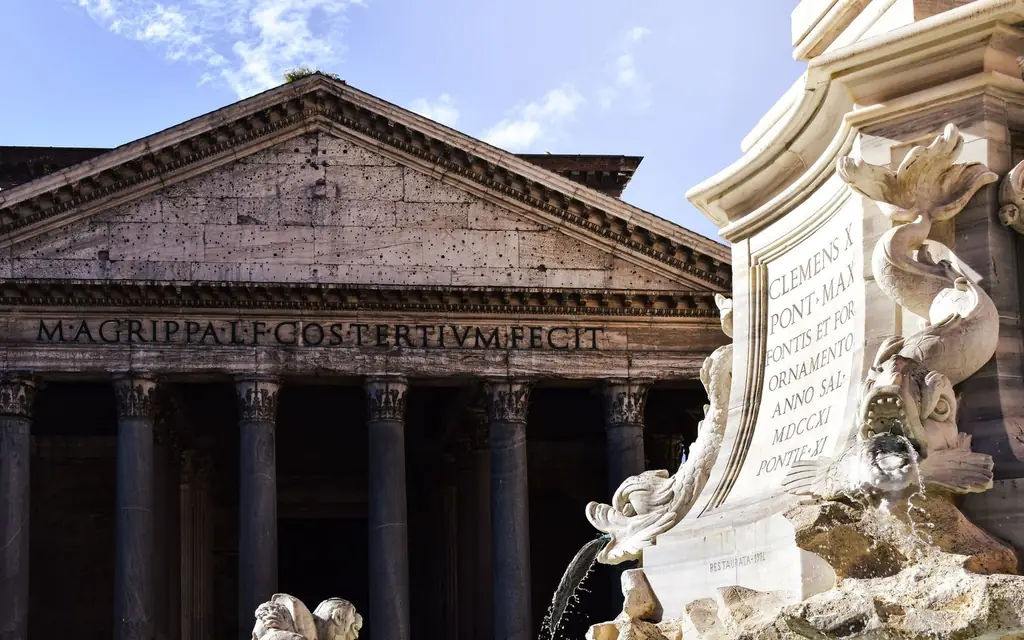
Rome has two airports and one very particular centre. Leonardo da Vinci (Fiumicino, FCO) takes most long-haul and scheduled traffic; Ciampino (CIA) takes mainly low-cost flights. Your hotel, meanwhile, may sit on a cobbled lane inside a restricted-traffic zone, a few steps from the Pantheon, or on a wide avenue near Termini. A good Rome airport to hotel transfer gets you from the right terminal to the right door with the least waiting. This page compares every option honestly and explains where a pre-booked car from Onroutz.ca earns its place.
What is the best Rome airport to hotel transfer?
For most hotels in the historic centre, a private car takes 40 to 60 minutes from Fiumicino and 30 to 45 minutes from Ciampino, door to door, with a driver waiting inside arrivals. The Leonardo Express train is faster to Termini at 32 minutes but ends at a station, not your hotel.
That distinction matters more in Rome than in most cities. The Leonardo Express is quick and predictable, but Termini is a major interchange with crowds, queues for taxis, and a walk to many hotels that goes over uneven stone. If your hotel is on Via Veneto, near the Spanish Steps, in Monti or across the river in Trastevere, the train gets you to Rome faster than to your room.
Which airport are you flying into?
Fiumicino (FCO) is about 32 km west-southwest of the centre, beside the coast. Most intercontinental flights arrive here. The road in is the A91 motorway, which carries commuter and airport traffic and slows on weekday mornings and Friday evenings.
Ciampino (CIA) is about 15 km south-east of the centre, much closer, and used mainly by low-cost carriers. The drive uses the Appian Way corridor and city streets, and is shorter in distance but can be slower per kilometre than the motorway from Fiumicino.
Confirm the airport on your ticket and give it to the booker; the airport page has more detail on Fiumicino, and we cover the full picture at Rome Fiumicino airport transfers.
Every way from Rome airports to the hotel, compared
| Mode | Door-to-door time | Cost note | Luggage | Best for |
|---|---|---|---|---|
| Private car (Onroutz.ca partner) | FCO 40–60 min; CIA 30–45 min | Fixed fare via booker, quoted before you pay | Sedan: 2 large + 2 cabin; SUV: 5–6 large; van: 12 | Hotels in the centre, families, late arrivals |
| Leonardo Express (FCO to Termini) | 32 min train plus onward leg | Single ticket price set by the rail operator | Bring your own, steps and platforms | Hotels close to Termini, solo travellers |
| Regional train FL1 (FCO to Trastevere, Ostiense and others) | Roughly 30–50 min plus onward leg | Regional ticket set by the rail operator | Bring your own | Stays in Trastevere or the south of the centre |
| Ciampino Airlink (CIA) | Bus-and-train combination, about an hour to Termini | Ticket set by the operator | Bring your own | Ciampino arrivals on a tight budget |
| Official taxi | FCO 40–60 min; CIA 30–45 min | City-regulated fixed fare inside the Aurelian Walls; metered beyond | 2 to 3 bags | Single arrivals, no pre-booking |
Trenitalia describes the Leonardo Express as a direct 32-minute connection from the airport to Roma Termini, and notes that the Ciampino Airlink is a combined train-and-bus connection to the same station; both appear at trenitalia.com. Children under four ride free with an adult holding a valid ticket, and each paying adult can bring one child aged four to under twelve free.
When the train is the better choice
Take the Leonardo Express if you are going to a hotel within a short walk of Termini, you land before late evening, you are one or two people, and you travel light. It runs on its own tracks, it does not care about the A91, and on a day of motorway congestion it can save you half an hour.
The regional FL1 line is the smarter train for Trastevere and the southern neighbourhoods because it stops at stations on that side of the city, avoiding a trip across the centre.
Skip the train when your hotel is a long way from any station, when you have two or more large cases per person, when you have children and a stroller, or when you land late. Rome's pavements are often cobbled, and the walk from a station to a hotel on one of those streets can take longer than the train ride itself.
When a private car wins
- Three or four travellers. One vehicle, one address, no splitting up.
- Luggage. The Luxury SUV holds up to six passengers with five or six large bags; the Executive Sprinter seats up to 12.
- Hotels inside restricted-traffic zones. The driver is a licensed local professional who knows how to approach the area legally and where to stop.
- A tight schedule. Business travellers landing at 08:30 for an 11:00 meeting do better with a driver than with a taxi queue.
- Arriving tired. After a long-haul flight there is no ticket machine to find, no platform to locate, and no negotiation with a stranger.
- Cruise connections. If you are heading on to Civitavecchia the next day, see the Civitavecchia cruise transfer, about 80 km up the coast.
Meeting your driver and what happens after you land
Your driver tracks the flight and is inside arrivals when you walk through. A name board is held at the exit; if you would like privacy, an alias can be used instead of your own name. The first hour after an international landing is free waiting time; after a domestic flight it is half an hour. The chauffeur loads the bags, confirms the hotel address, and drives you there. If you need a stop on the way, mention it when you book.
For a more formal arrival, the airport meet and greet page explains the inside-terminal option.
Rome neighbourhood by neighbourhood
Rome's tourism board groups the city into districts, and the way each one is built determines how the last few hundred metres of your transfer go. The list at turismoroma.it names the central areas: Termini and Via Veneto, the Tridente, the Pantheon and Navona, Campo de' Fiori, Monti, the Colosseum area, Trastevere, Testaccio, Prati and the Vatican.
Termini, Esquilino and Via Veneto
Hotels here have the simplest access. Wider streets mean the car can stop in front, and it is well connected to both airports. This is the area where the Leonardo Express competes best against a car.
The Tridente, Pantheon and Navona
These areas hold many centrally located hotels and are among the most restricted for vehicles. Lanes are narrow and partly pedestrianised, and the car may drop you at a point beside the hotel rather than at its door. Your driver will tell you before you arrive where this is.
Campo de' Fiori, the Ghetto and Monti
Medieval street patterns, cobbles, and busy evenings. Pick-up and drop-off times matter: a late-afternoon arrival hits the pre-dinner crowds. Give the hotel's exact name and street, as some share a name with others nearby.
Trastevere and Testaccio
Across the river. The FL1 train serves this side well, but the walk from the station can be long, and these districts have lively night streets that make late taxi access slow. A car stops where the lane widens and a staff member can often walk you the remainder.
Prati and the Vatican
Orderly, grid-like streets and easier vehicle access, handy for museum visits and for hotels on the Prati side. Traffic on weekdays around the Vatican can be slow.
EUR, Villa Borghese and the north
The business district of EUR and the leafy north of the centre are less constrained and are simple door-to-door drives.
Restricted-traffic zones and your hotel
A large part of Rome's historic centre is a limited-traffic zone, known as a ZTL, where ordinary vehicles need permission. For you as a guest this is mostly a non-issue: the local partner driving your transfer is a licensed professional and handles the approach. What helps is accuracy. Send us your hotel's full address at booking, and if the hotel asks for a plate number, we can give it once the vehicle is confirmed. If you are renting a car yourself, ask the hotel how to register your plate before you drive in.
Timing your first day
If you land at 07:30 from North America, the car gets you to the hotel by 08:30 or 09:00, well before standard check-in. Ask your hotel about early check-in or a bag drop before you leave home. A good plan: drop bags, walk to a breakfast, and let the room be ready by lunch. Landing at 15:00 means a hotel arrival in time to shower and go out for the evening. Late arrivals after 22:00 are common and are well suited to a pre-booked car because the trains thin out.
How Onroutz.ca delivers a transfer in Italy
Onroutz.ca is a transfer desk in Toronto. In Italy the ride is delivered by a vetted, licensed and commercially insured local transfer partner. The Toronto desk books it, confirms it, supports it and invoices it, so you hold one confirmation and one invoice and have one 24/7 contact. Every partner car is within four model years of new, except Rolls-Royce, Bentley and Maybach, allowed up to seven. The vehicle class is confirmed at booking and described as "or similar".
See the fleet for classes, and how private airport transfers work for the booking-to-pickup sequence.
Entry rules for visitors to Italy
Italy is in the Schengen Area. Visitors from outside the EU should check the current border-control position, including the EU Entry/Exit System, on travel-europe.europa.eu. Border queues at Fiumicino vary through the day, and the free waiting time covers a normal delay.
More Rome and Europe pages
Look at the airport transfers hub for other Italian and European airports, the hotel transfers index for cities, and the Europe hub for the full map. If you are also flying to Greece, see Athens airport to hotel; if Milan is on the itinerary, see Milan Centrale rail transfers.
Frequently asked questions
How long does it take to get from Rome Fiumicino to the city centre?
By road, 40 to 60 minutes to most central hotels; longer at rush hour or in heavy rain. The Leonardo Express train takes 32 minutes to Termini, plus the trip from the station to the hotel.
Is a taxi from Fiumicino to Rome a fixed price?
The city regulates a fixed fare for official taxis between each airport and addresses inside the Aurelian Walls. Metered fares apply beyond that. Read the current rates on the city's site or the taxi rank signage, and agree the fare before you leave. Our private transfer shows a fixed all-in fare in the booker.
Is the Leonardo Express worth it?
Yes for travellers going to hotels near Termini, travelling light, and landing before late evening. It is not worth it when your hotel is a long walk from a station, when you have heavy luggage, or when you arrive late at night.
Can a private car stop right outside my hotel in the centre?
Often yes, but not always. In pedestrianised streets and restricted zones, the driver stops at the nearest legal point. We note your address at booking, and the chauffeur tells you in advance where the car will stop.
What happens if my flight is delayed?
We track your flight, so the pickup follows the actual landing time. Included waiting runs 60 minutes from an international landing and 30 from a domestic one. If the delay is severe, the 24/7 desk can rebook the pickup.
Can I book a transfer from Ciampino as well?
Yes. Ciampino is about 15 km from the centre and a transfer usually takes 30 to 45 minutes. Choose Ciampino in the booker, quote your flight number, and the quote is fixed for that airport and address.
Do you provide child seats?
Note the children's ages at booking and the right infant, toddler or booster seat is provided. Give us the ages and weights so the right seat is in the car on arrival. Seats cannot be added on the kerb.
What is your cancellation policy?
More than 72 hours' notice: no charge. 72 hours or less: 10%. 48 hours or less: 50%. 24 hours or less, or a no-show: 100%, counted from the scheduled pickup. Event bookings can carry their own deadline, always printed on the confirmation.
Should I tip a transfer driver in Italy?
Tipping is not required in Italy and is not on the North American scale. Many travellers round up the fare or leave a small amount for good service; do whatever feels right for the experience, and know that nothing is expected.