 United StatesJFK
 MexicoMEX
 BrazilGRU
 ArgentinaEZE
 ChileSCL
 ColombiaBOG
 PeruLIM
 PanamaPTY
 Costa RicaSJO
 Dominican RepublicPUJ
 JamaicaMBJ
 BahamasNAS
 BarbadosBGI
 United KingdomLHR
 IrelandDUB
 FranceCDG
 GermanyFRA
 NetherlandsAMS
 BelgiumBRU
 SwitzerlandZRH
 AustriaVIE
 ItalyFCO
 SpainMAD
 PortugalLIS
 GreeceATH
 TurkeyIST
 DenmarkCPH
 SwedenARN
 NorwayOSL
 FinlandHEL
 PolandWAW
 Czech RepublicPRG
 HungaryBUD
 IcelandKEF
 United Arab EmiratesDXB
 QatarDOH
 Saudi ArabiaRUH
 IsraelTLV
 EgyptCAI
 MoroccoCMN
 South AfricaJNB
 KenyaNBO
 NigeriaLOS
 IndiaDEL
 PakistanLHE
 Sri LankaCMB
 SingaporeSIN
 MalaysiaKUL
 ThailandBKK
 VietnamSGN
 PhilippinesMNL
 IndonesiaCGK
 Hong KongHKG
 ChinaPVG
 TaiwanTPE
 JapanHND
 South KoreaICN
 AustraliaSYD
 New ZealandAKL
What is the best way to get from Civitavecchia port to Rome?
The lowest-fare route is the paid cruise-only shuttle to Civitavecchia station, then a regional train to Rome, slower door to door than the map suggests. A private car covers the 70 to 80 km (43 to 50 mi) in roughly 1 h 05 without traffic, allowing 1 h 30 or more at peak, and is the better choice for groups, luggage, or an afternoon flight.
The headline distance flatters the trip. Civitavecchia is the port of Rome, but the port is large and the station is not at the ship. On a day when two or three vessels are in, the first 30 minutes of the journey are spent leaving the terminal, finding the shuttle and waiting for it to fill.
That is why guidebooks that say "Rome is an hour away by train" are only half right. The train ride itself may be well under two hours, but the plan has five parts, and each one has its own queue.
This guide takes each leg in turn, using the port's own mobility service and Rome's airport operator for fares, and tells you where the arithmetic favours a car.
Port, shuttle, station: how the first leg works
Civitavecchia's port is operated by the port authority, and its mobility service publishes two kinds of shuttle that matter to a cruise passenger.
The free port shuttle. A free Blue Line bus circulates inside the port every 20 to 25 minutes. For May to October 2026 it is listed as running from 5:30 am to 1:00 am. Its stops include Fortezza near Fort Michelangelo, Largo della Pace, the ADM terminal, several quays and the northern car park. A separate shuttle links cruise docks 10, 11, 12, 12bis, 13, 13bis and 25 with the Largo della Pace service centre, running as ships dock.
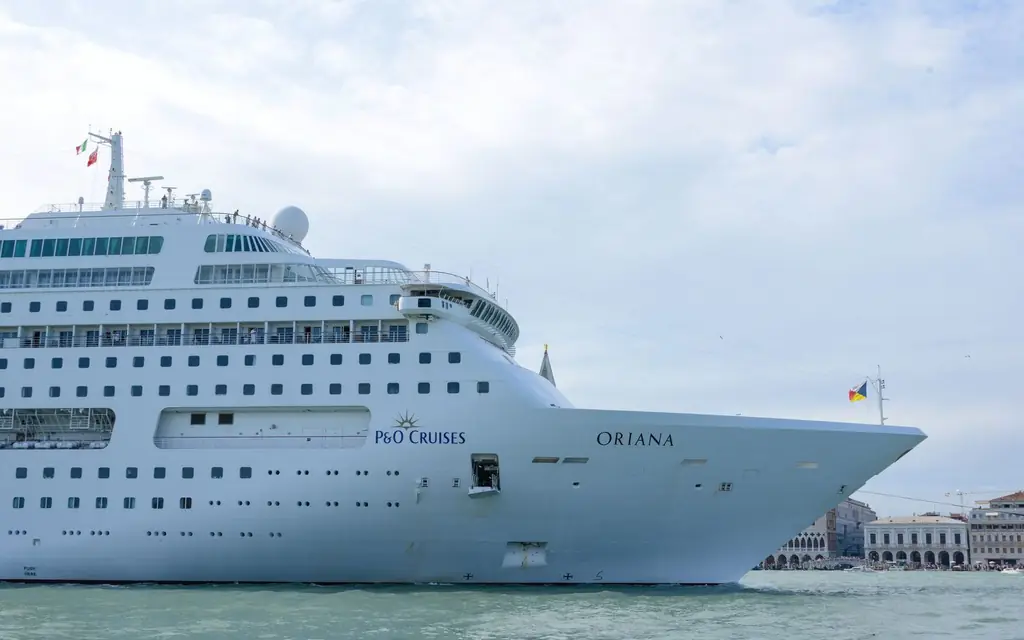
The paid cruise-to-station shuttle. The mobility service also runs a service exclusively for cruise passengers, only on ship arrival and departure days. It costs EUR 6 per person each way, paid on board, and takes about 15 minutes. It leaves from the small square outside the exit of Civitavecchia railway station, and the port lists it as running every 20 to 25 minutes from early morning to early evening. Check the exact first and last times on the Port Mobility page, because the printed hours differ between versions.
The free shuttle does not go to the railway station. It stays in the port area. If you want the station, you pay for the cruise shuttle, take a local bus from Largo della Pace, or walk.
Walking is the fourth option. The station is outside the port gates, and the walk with a wheeled bag is long enough to make most people regret it in August.
The regional train: times, strikes and the ticket machine
From Civitavecchia station, regional trains run south-east along the coast to Rome. Journey times for the regional service are commonly quoted at 60 to 85 minutes to Roma Termini, depending on the train and its stops. We could not confirm that range on Trenitalia's own pages, so check the exact departure and duration for your date on Trenitalia rather than rely on a blog.
Practical points that save trouble:
- Buy at the machine or counter before you reach the platform. Paper regional tickets must be validated in the small machines on the platform before boarding.
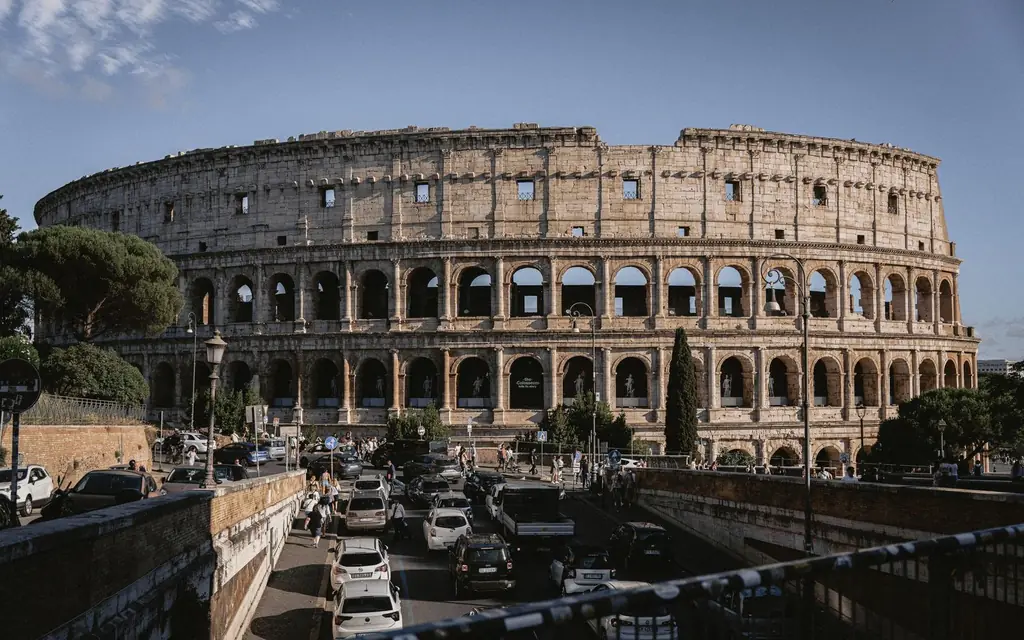
- Know which Rome station you want. Termini serves the Colosseum by metro and the Vatican by bus or metro. Other Rome stations along the line are closer to St Peter's, and a map check before you leave saves a change.
- Strikes happen. Italian transport strikes are announced in advance, and operators usually keep protected services in set time bands. Look at the news the evening before a port day rather than the morning.
- Sundays and holidays run a lighter timetable. If your port day falls on one, treat the first and last train times as hard limits.
The station-to-sights part is not trivial either. From Termini, the Colosseum is a short metro or bus ride; the Vatican is longer. Put the sum together and, as a planning allowance, the total time from ship to the first sight is often two and a half hours, then the same coming back.
Comparing the ways to reach Rome
| Mode | Door-to-door from the ship | Cost note | Luggage | Best for |
|---|---|---|---|---|
| Cruise shuttle, regional train, then metro or bus | Several legs; check the Trenitalia timetable and add the shuttle (about 15 min) and the queue | EUR 6 shuttle plus a regional ticket; both published by the operators | Awkward with large bags | Fit travellers with a day pack and a flexible plan |
| Cruise-line organised coach tour | Set by the tour operator, plus guided stops | Set by the cruise line | Stays on the coach | Passengers who want the ship to wait for them |
| Private car or minivan | About 70 to 80 km, roughly 1 h 05 without traffic from the berth to central Rome; longer at peak | Fixed fare via booker | Unlimited | Groups of three or more, families, anyone with a Rome flight |
| Taxi from the airport | About 70 km, roughly 1 h 15 from Fiumicino to the port without traffic | Fixed tariff of EUR 130 to Civitavecchia Porto (airport operator's fixed fare) | Fine | Same-day fly-and-sail, small groups |
Two things this table cannot show are the variance and the dead time. The train is predictable until it is not. A car is predictable until a lorry blocks the coast road, but you at least stay in the vehicle.
When the train beats a transfer
Be straightforward about it: the train is a good plan for many people.
- You are one or two adults with a daypack and no deadline other than the ship.
- You enjoy public transport, and the extra hour is part of the trip.
- Your day is in one or two central sights near Termini.
- You have checked the timetable and have a 60-minute cushion before all-aboard.
For that profile, the combined shuttle and train cost is modest and the journey is comfortable. Private cars exist for different problems.
When a private transfer is the better call
Choose a car when the problem is bags, people, or time:
- You are three to six people. The shuttle and train tickets scale by the head; a car scales by the vehicle. A Luxury SUV seats up to six with their bags.
- You are disembarking for good. Rome's airport or a Rome hotel after a week at sea means large suitcases, and a train platform is a poor place for them.
- You have a same-day flight from Fiumicino. The airport operator's Leonardo Express runs between Fiumicino and Roma Termini in 32 minutes every 15 minutes, for EUR 14, but you first have to get from the ship to Rome. Connecting by train from Civitavecchia in a single morning leaves very little slack.
- You want the Vatican and the Colosseum in one day. A chauffeur can set you down near each entrance, wait at an agreed point and head back in the afternoon without a station walk.
- You are travelling with children or limited mobility. Seats for little ones can be requested when you reserve.
Onroutz.ca arranges the ride in Italy through a vetted, licensed and commercially insured local partner. The Toronto desk books, confirms, supports and invoices it, so you hold one confirmation and one 24-hour contact. For a ship-day pickup, the driver tracks the ship's arrival and meets you at the agreed terminal exit. For an airport pickup, the flight is tracked and international arrivals include 60 minutes of free waiting after landing. The booker shows the fixed all-in fare for your exact pickup and drop-off before you pay.
For the port itself, our Civitavecchia cruise transfer page and the wider cruise transfers hub cover boarding-day logistics, and our Rome hotel transfer page covers the city end.
Flying in the same day: Fiumicino to Civitavecchia
The reverse trip is just as common. Plenty of passengers land at Fiumicino in the morning and sail in the evening. The airport operator publishes a fixed taxi fare of EUR 130 between Fiumicino and Civitavecchia Porto, and says the same figure applies in both directions. It also publishes a fixed fare of EUR 55 for the Roma Centro zone inside the Aurelian Walls. The airport page does not say whether luggage or tolls are separately charged, so ask the driver before leaving.
The distance is about 70 km (43 mi) and the drive is roughly 1 h 15 without traffic, longer at rush hour. Because the rail route usually means changing trains in Rome, a road transfer is the standard solution for fly-and-sail. See our Fiumicino airport page for terminal pickups.
A day plan that actually works from the ship
If you do want Rome on a port day, work backwards from the ship.
- Write down the all-aboard time and subtract 60 minutes. That is your last possible train or car departure from central Rome.
- Subtract the return leg: roughly 1 h 05 by car without traffic (allow more), or the train timetable plus the shuttle and the walk if you go by rail.
- What remains is your time on the ground. On many port days it is only four to five hours.
- Spend it on one thing. Rome rewards depth badly in a hurry.
A private driver does not change this arithmetic much, but it shortens the dead time at each end. If the ship departs at 17:00, the all-aboard time is likely to be at least 30 minutes earlier, and the safe departure from Rome is 15:00 to 15:30.
Mistakes that cost passengers their ship
- Assuming the free shuttle goes to the station. It does not, and the confusion has cost people half an hour in the sun.
- Taking the last convenient train. Leave a spare. A cancelled train with an hour to sailing has few remedies.
- Booking a tour with a fixed pickup point you can't reach. Meeting points near Termini are fine; those across the city are not.
- Not telling the driver the ship's berth. Give the dock number or the terminal name, since Civitavecchia's quays are spread out.
- Leaving the return to chance. Pre-booking the return avoids queues at the station square.
If you are comparing ports, see our guide to Southampton's cruise terminals for another port where the transport leg is longer than it looks.
Frequently asked questions
How far is Civitavecchia from Rome?
It is about 70 km (43 mi) by road to Roma Termini and about 80 km (50 mi) to the Colosseum, roughly 1 h 05 in a car without traffic and longer at peak times. The regional train takes a similar time, plus the port shuttle.
How do I get from the cruise ship to Civitavecchia station?
The port's mobility service runs a paid shuttle exclusively for cruise passengers on ship days, EUR 6 each way, about 15 minutes, paid on board. The free port shuttles stay inside the port and do not go to the station.
Is the Civitavecchia port shuttle free?
The Blue Line shuttle that circulates within the port is free, and a cruise-dock shuttle links the berths with Largo della Pace. The service between the port and the railway station is a separate paid shuttle.
How long does the Civitavecchia to Rome train take?
Regional trains are commonly quoted at 60 to 85 minutes to Roma Termini, a range we could not confirm on Trenitalia's own pages. Check Trenitalia for your date, and add the shuttle, the walk and any queue for tickets.
How much is a taxi from Fiumicino to Civitavecchia port?
Rome's airport operator publishes a fixed taxi fare of EUR 130 between Fiumicino and Civitavecchia Porto, valid in both directions. A pre-booked Onroutz.ca transfer shows its own fixed fare in the booker before you pay.
Can I see the Vatican and Colosseum from a cruise stop?
Yes, but plan one of them. With a train, you may have three to five hours in Rome. With a private car, you save the station legs and can fit a second sight, provided the ship's all-aboard time leaves room.
Should I book a cruise-line tour instead?
A tour has one major advantage: the ship waits for the coach. It has fixed stops and a set pace. If you want flexibility or are travelling in a group of three or more, a private car is the alternative.
Does the driver wait if the ship is late?
Yes. Onroutz.ca tracks ship arrivals as well as flights, so a late berthing moves the pickup. The free waiting time is 15 minutes on pickups other than airport arrivals.
Sources: the Civitavecchia Port Mobility shuttle page, the airport operator's taxi fare page and train page, and Trenitalia. For a comparison with another Mediterranean cruise port, read our guide to Barcelona's cruise terminals; more routes are on the Europe hub.