 United StatesJFK
 MexicoMEX
 BrazilGRU
 ArgentinaEZE
 ChileSCL
 ColombiaBOG
 PeruLIM
 PanamaPTY
 Costa RicaSJO
 Dominican RepublicPUJ
 JamaicaMBJ
 BahamasNAS
 BarbadosBGI
 United KingdomLHR
 IrelandDUB
 FranceCDG
 GermanyFRA
 NetherlandsAMS
 BelgiumBRU
 SwitzerlandZRH
 AustriaVIE
 ItalyFCO
 SpainMAD
 PortugalLIS
 GreeceATH
 TurkeyIST
 DenmarkCPH
 SwedenARN
 NorwayOSL
 FinlandHEL
 PolandWAW
 Czech RepublicPRG
 HungaryBUD
 IcelandKEF
 United Arab EmiratesDXB
 QatarDOH
 Saudi ArabiaRUH
 IsraelTLV
 EgyptCAI
 MoroccoCMN
 South AfricaJNB
 KenyaNBO
 NigeriaLOS
 IndiaDEL
 PakistanLHE
 Sri LankaCMB
 SingaporeSIN
 MalaysiaKUL
 ThailandBKK
 VietnamSGN
 PhilippinesMNL
 IndonesiaCGK
 Hong KongHKG
 ChinaPVG
 TaiwanTPE
 JapanHND
 South KoreaICN
 AustraliaSYD
 New ZealandAKL
What is the EU Entry/Exit System and who has to use it?
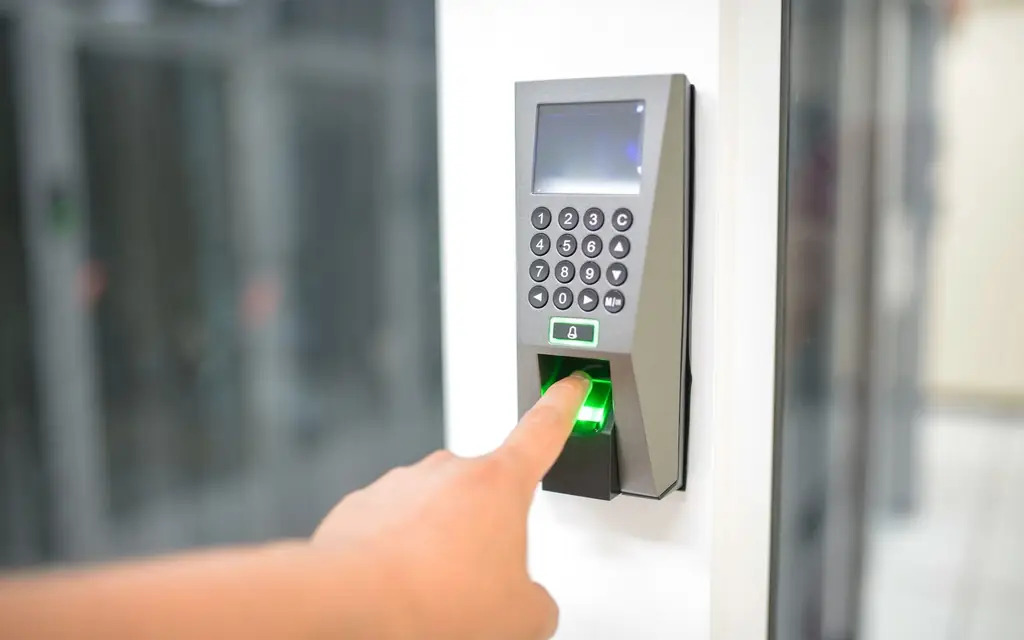
EES is a digital border system for non-EU visitors on short stays of up to 90 days in any 180 days in 29 European countries. It records your face, passport and, from age 12, your fingerprints instead of stamping the passport. It began on 12 October 2025 and has been fully in force at EU airports and ports since 10 April 2026.
Think of EES as a database that remembers you at the border so officers do not have to count stamps. The first registration takes longer, and every later one is shorter because the system already holds your face and passport. Registration is valid for three years or until the passport expires, whichever comes first, and the UK government states it is free.
Who is affected? Travellers who are not citizens of an EU country and who are visiting for a short stay. A Canadian, American, British, Australian or Gulf visitor travelling to Paris, Amsterdam or Barcelona is inside the scheme. An EU passport holder is not, and neither is a traveller who holds a residence permit for the country they are entering.
The 29 countries are all the EU member states except Ireland and Cyprus, plus Iceland, Liechtenstein, Norway and Switzerland. A journey to Dublin or Larnaca does not trigger EES at all. That detail matters when you plan a multi-country route: the checks switch on and off as you cross borders, and the onward timing needs to respect that.
What happens at your first Entry/Exit System registration?
On the first visit you stand at a kiosk or booth, have your passport scanned and your face photographed. If you are 12 or older, your fingerprints are scanned too. Children under 12 are photographed but not fingerprinted. The point is to create the record once.
On later trips the process is lighter: you scan your passport, then confirm your identity with a photo or a fingerprint. On leaving the Schengen area you may be asked for a fingerprint or photo again, which is how the system records the exit and calculates how many days you have used.
The UK Foreign Office puts the experience in one honest line: the process may take each passenger extra time to complete. It does not publish a minutes-per-person figure, and neither will we, because the real number depends on the queue, the staffing, the number of working kiosks and how many people in your party are registering for the first time.
Where does registration happen?
That depends on how you enter Europe. For air travel, it happens on arrival at the first Schengen airport. For three UK crossings it happens before you leave the UK, because France carries out its border checks on British soil there.
| Entry point | When registration happens | Where | Note |
|---|---|---|---|
| Schengen airport (e.g. Amsterdam, Barcelona, Paris) | On arrival | Border control hall, often at kiosks before the officer | Biggest queues when long-haul flights land together |
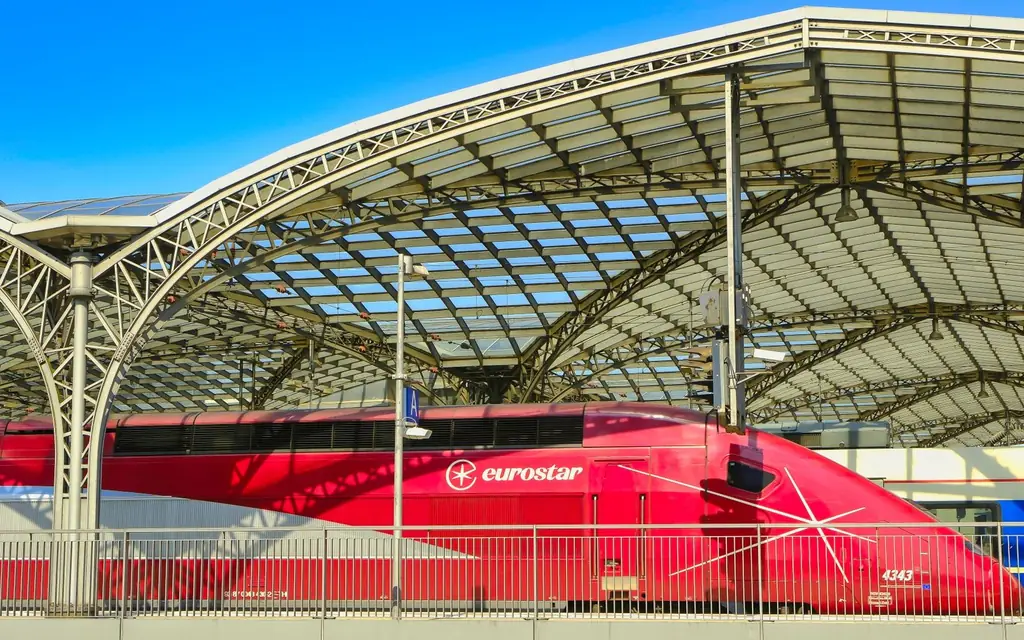
| Eurostar, London St Pancras | Before departure from the UK | Self-service kiosks in three areas of the station, before the ticket gates | Follow Eurostar's advice on arrival time |
| Eurotunnel, Folkestone | Before departure from the UK | Purpose-built pre-registration area with kiosks | Done at the terminal, not at Calais |
| Port of Dover | Before departure from the UK | Purpose-built EES processing area at the Western Docks | Car and coach passengers register here |
| Cruise starting and ending outside Schengen | Generally exempt, including day trips in the itinerary | Not applicable | Check your cruise line's advice |
Those rail and port arrangements come from the UK government's Travel Aware and gov.uk pages. If you are taking Eurostar, our King's Cross and St Pancras rail transfers page covers the station side of the pickup and drop-off.
Who is exempt from EES?
Some travellers are exempt, and the gov.uk guidance sends readers to the EU's Travel Europe site for the full list. The one category it spells out is cruise passengers: sailings that start and finish outside the Schengen area will usually be exempt from EES checks for day trips into the Schengen area that are part of the itinerary, although port authorities can still require checks in some cases.
If you believe you are exempt, check the EU's list before you travel and carry the documents that prove it. The full exemption list is on the EU's Travel to Europe site.
For a traveller who is not British, the most important line is the shortest one: if you do not have an EU passport or a residence permit for the country you are entering, assume you are registering.
How much extra time should you plan for?
The official line is to allow extra time, especially if you have a connection or onward transport. The government does not give a number, and neither do we: add a generous margin on a first registration, a smaller one on repeat visits, and let the season and the arrival bank set the rest.
Weight that by season. Summer weekends, school holidays and the days either side of Easter are the pinch points, and an arrival bank of three wide-body flights from North America will stretch any kiosk hall. A Tuesday morning arrival in February is the best case.
For a pickup, the sequence is simple. Land, walk to border control, register or scan, collect bags and walk out. The driver you booked tracks the flight, and the first hour after an international landing is free waiting, so a slow kiosk hall costs you nothing extra. Tell the driver if you have a tight onward connection, such as a train or a restaurant booking, because that is the real constraint, not the car.
What about Amsterdam, Barcelona and the other big airports?
EES is fully implemented at all EU airports and ports, so the principle is the same everywhere: non-EU visitors are directed to the non-EU lines and kiosks, and EU or exempt travellers follow the signs for EU passports. Each airport runs it differently, with different numbers of kiosks and different signage, and these arrangements change with staffing and season. Do not rely on a layout you read about a year ago.
Practical points hold across the continent. Stay with your party, because each person registers individually. Keep passports out and open at the photo page. Follow the floor markings and the staff instructions at each booth. If you have a mobility need, ask a staff member for help, because they can direct you to the right booth.
For airport-specific pickup information, our Amsterdam Schiphol transfers page and Barcelona El Prat transfers page describe where your driver will be, and the Europe hub lists every continental airport we cover.
A worked example: London to Paris by Eurostar
Picture a family of four with two children, aged nine and thirteen, and a Canadian passport each. They arrive at St Pancras with the buffer they would have used before EES. At the station, the self-service kiosks sit in three areas before the ticket gates, so the first step is to find one and register all four. The thirteen-year-old gives fingerprints; the nine-year-old is photographed only. Each person is handled individually, even though the family travels together.
Next comes the usual security and passport sequence, and then the train. Nobody registers again in Paris, because the record was created before departure and French checks already took place on the British side. On the way home, the exit is recorded, and a fingerprint or photo may be requested.
The lesson is about sequence, not speed. The step that gets forgotten is the first one, because it is new and because families assume the station will funnel them to it. Read your operator's pre-travel email and follow it to the letter.
A short checklist for families and groups
Keep every passport in one place, because each person registers on their own. Make sure children can stand still and look at the camera; a nervous toddler is the most common cause of a repeat attempt. Carry medication, snacks and water for the queue, as the Foreign Office advises, because a long wait with children is easier to bear when you are prepared.
Tell the person meeting you which terminal and flight you are on, and share a revised arrival time if you have been delayed. If you have a driver, they can watch the flight but not the border hall, so a message after you have cleared is useful.
Do not book anything with a hard start time within two hours of landing on your first visit. A dinner reservation, a guided tour or a ferry connection all deserve a larger margin than the flight schedule implies. If you must, choose a time you can afford to lose.
What does the UK government say about funding and delays?
The UK government gave £10.5 million to reduce disruption at the three juxtaposed ports (Dover, Folkestone and St Pancras) ahead of the full April rollout. The dedicated facilities at those sites exist because French border checks take place on British soil there, so registration happens before you leave the UK.
That investment is a signal about where queues are most likely to bite: not at the airport hall, but at road and rail departure points on peak days. If you are driving to the continent in July or August, plan for the registration area as a distinct stage of the journey, with its own buffer, rather than something that happens in a minute at the booth.
EES, the UK ETA and ETIAS in one sentence each
EES is a border registration that is already running. The UK ETA is a permission you apply for before flying to Britain, and our UK ETA guide covers it. ETIAS is a European pre-travel authorisation that is not yet operating, which our ETIAS explainer breaks down. Keeping them separate is half the battle.
Before any European trip, confirm the three basics: passport validity, whichever authorisation your own passport needs, and a realistic buffer after landing. For how a private pickup sequence runs end to end, see how private airport transfers work.
Frequently asked questions
What is the EU Entry/Exit System?
It is a digital system that records when non-EU visitors enter and leave 29 European countries for short stays, using a photo, a passport scan and, from age 12, fingerprints. It replaces passport stamping and began on 12 October 2025.
When did EES become fully operational?
The European Commission says the system became fully operational on 10 April 2026, after a gradual introduction beginning in October 2025.
Do I need to register in advance?
No. The UK government says you do not need to do anything in advance, and the checks are free. Registration happens at the border, or at the UK departure point for Eurostar, Eurotunnel and Dover.
How long does EES registration last?
Three years, or until your passport expires if that comes first. After that, the first registration process repeats.
Are children fingerprinted?
Children aged 12 and over are fingerprinted. Under 12, a photo is taken but not fingerprints.
Which countries do not use EES?
Ireland and Cyprus. EES applies in all other EU member states plus Iceland, Liechtenstein, Norway and Switzerland, so 29 countries in total. Travelling to Dublin or Cyprus does not trigger registration.
Does EES apply to Canadians and Americans?
Yes. It applies to non-EU residents on short stays, which includes visa-free visitors from North America. Your passport and fingerprints are registered at your first Schengen entry.
What if the kiosk or gate does not work for me?
Tell border staff if you expect problems with biometric checks. The UK government advises doing this, and you will be directed to an officer.
Sources checked: the European Commission's Entry/Exit System page, the UK government's EU Entry/Exit System guidance, its EES news story of March 2026 and the FCDO's Travel Aware EES page. Details are as of October 2026.